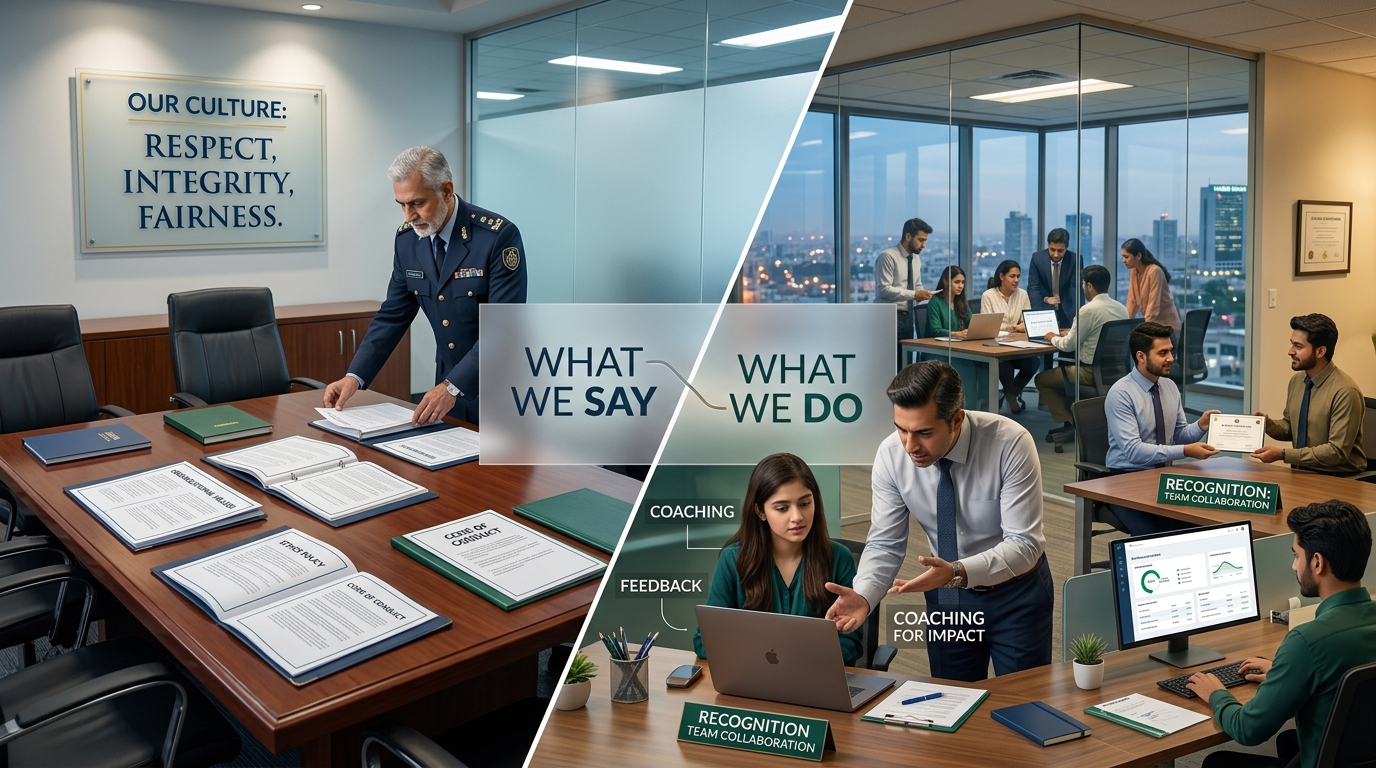

A degree is important. It represents years of study, discipline, and academic effort. However, in today’s job market, a degree alone is not enough. Employers are looking for people who can communicate, solve problems, work in teams, adapt to change, and deliver results.
Many graduates enter the job market with academic knowledge but limited workplace readiness. They know theories, definitions, and concepts, but they struggle with interviews, professional writing, workplace behavior, confidence, and practical problem-solving.
This gap between education and employability must be addressed.
What Employability Really Means
Employability is not just the ability to get a job. It is the ability to become useful, reliable, and productive in a professional environment.
An employable person understands workplace expectations. They know how to communicate, how to manage time, how to take responsibility, how to learn from feedback, and how to work with different types of people.
Employability is a combination of knowledge, skills, attitude, and behavior.
Communication Skills Are Essential
One of the biggest weaknesses among many graduates is communication. This includes spoken communication, written communication, email writing, presentation skills, and professional conversation.
A person may have good technical knowledge, but if they cannot explain their ideas clearly, their growth becomes limited.
Communication does not mean using difficult words. It means expressing thoughts clearly, respectfully, and confidently.
Problem-Solving Makes You Valuable
Employers do not hire degrees. They hire people who can solve problems. Every workplace has challenges: customer issues, operational delays, coordination gaps, reporting errors, team conflicts, and process weaknesses.
A graduate who can identify problems and suggest practical solutions becomes valuable quickly.
Problem-solving requires observation, critical thinking, patience, and a willingness to take initiative.
Professional Attitude Matters
Skills can open the door, but attitude determines how long you stay and grow. Many young employees damage their own opportunities through poor attitude, lack of punctuality, weak commitment, casual communication, or unwillingness to learn.
Professional attitude includes discipline, respect, responsibility, honesty, and consistency. These qualities may sound basic, but they are often the difference between an average employee and a trusted professional.
Digital Skills Are No Longer Optional
Every graduate should have basic digital competence. This includes using office software, online meeting tools, email platforms, data handling, presentation tools, LinkedIn, and basic awareness of AI tools.
Digital skills do not belong only to IT professionals. Almost every profession now requires some level of digital fluency.
Those who ignore digital learning may find themselves behind, even with good academic qualifications.
Networking and Personal Branding
Many graduates think networking means asking people for jobs. In reality, networking means building genuine professional relationships.
LinkedIn, professional events, alumni groups, internships, volunteering, and training sessions can help young people connect with others. A strong professional network can provide guidance, exposure, referrals, and opportunities.
Personal branding also matters. How you present yourself online and offline affects how people remember you.
Learning Must Continue After Graduation
Graduation is not the end of learning. It is the beginning of practical learning. The workplace teaches lessons that classrooms often cannot.
Graduates must continue learning through short courses, internships, reading, mentoring, certifications, and real-world experience.
The people who keep learning remain relevant.
Final Thought
Your degree is your foundation, but employability skills build your career. A degree may help you enter the job market, but communication, attitude, problem-solving, digital skills, and professionalism help you grow.
The future belongs to graduates who are not only qualified, but also capable, adaptable, and ready to contribute.